How Community Events Build Client Trust (And Conversions): A Step-by-Step Playbook
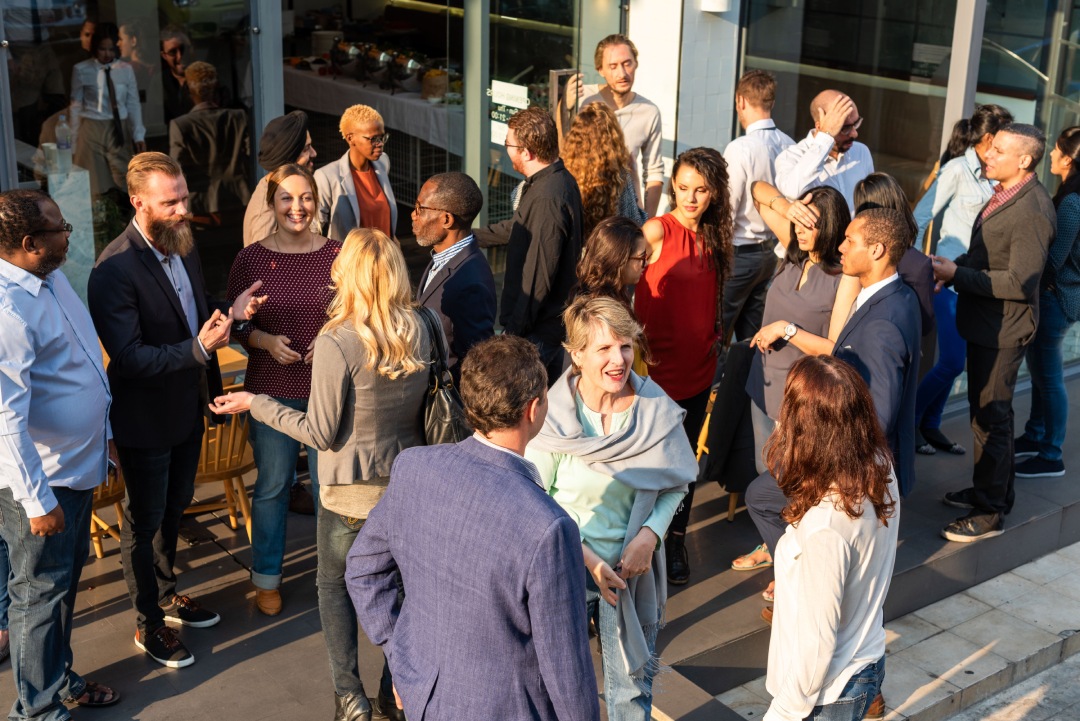
There is a moment that happens at almost every good community event. Someone walks up to your table, not because they need your service today, but because they are curious. You talk for a few minutes. No pitch. Just a real conversation. Three months later, that same person books an appointment, and when they do, they already feel like they know you.
That moment is the entire point. It is also the part that most businesses skip past because it does not show up neatly in a spreadsheet the week the event happens.
Community events are one of the most undervalued tools a local practice has. Not because they generate instant bookings, but because they build the kind of trust that makes every other marketing effort work better. The problem is that most businesses either avoid events entirely or run them without a plan and then conclude they “did not work.”
This is a playbook for doing it the other way. Here is how to run community events that build genuine trust and, over time, turn into real conversions.
Why Events Work When Ads Often Do Not
An ad interrupts someone and asks for attention. An event invites someone in and offers something first. That difference is everything.
When a potential client meets you in person, several things happen that no digital touchpoint can replicate. They see your face. They hear how you talk about your work. They watch how you treat other people in the room. They form an impression that is far harder to shake than anything they would form scrolling past a sponsored post.
This is the foundation of client trust through local events. People do business with practices they feel they understand, and nothing builds that understanding faster than time spent in the same room. The event does not have to be elaborate. It has to be real, and you have to be present in it.
Step One: Choose the Right Type of Event
Not every event serves the same purpose, and choosing the wrong format is the most common early mistake. Match the event to what you are actually trying to build.
- Educational workshops. A free session teaching something genuinely useful to your community. This positions you as a knowledgeable resource and attracts people who are already interested in the problem you solve. These tend to convert best over time because they pre-qualify the room.
- Partner-hosted events. Co-hosting with a complementary local business doubles your reach and lends you their credibility. You also split the work and cost, which makes these the most sustainable to run regularly.
- Community-service events. A health screening, a donation drive, a volunteer day. These build goodwill and signal that your practice cares about more than transactions. They convert slowly but build the deepest long-term trust.
- Casual meetups. A coffee morning, an open house, an informal Q&A. Low pressure, low cost, and surprisingly effective for warming up people who are curious but not ready to commit.
Pick one format and do it well before adding others. A single event run consistently beats five one-off experiments every time.
Step Two: Plan for the Relationship, Not the Sale
The fastest way to ruin a community event is to treat it like a sales floor. People can sense when they are being marketed to, and it undoes the trust the event is supposed to create.
Go in with a different goal. Your job at the event is to be useful, be present, and make a genuine impression. That is it. The conversions come later, and they come precisely because you did not chase them in the moment.
A few things that help here. Train anyone working the event to ask questions and listen rather than pitch. Have something useful to give away that is not a sales brochure, like a simple resource guide or a helpful checklist. And make it easy for people to stay in touch without pressure, whether that is a sign-up sheet, a QR code to your newsletter, or just a friendly card they can take with them.
Step Three: Capture the Connection Without Being Pushy
This is where most events quietly fail. People have a great time, then leave, and you never hear from them again because there was no natural way to continue the relationship.
You need a bridge from the event to the next interaction, and it has to feel as low-pressure as the event itself. The goal is to give people a reason to stay connected, not to harvest their contact information.
That might look like a follow-up resource you promised to send. An invitation to the next event. A newsletter that continues the conversation the event started. Whatever it is, it should feel like a continuation of the relationship, not the beginning of a sales sequence. The people who opt in are telling you they are open to hearing from you, which is far more valuable than a list of names who feel pursued.
Step Four: Follow Up Like a Human
The follow-up is where trust either deepens or evaporates. A warm, personal message a few days after the event does more than any automated drip campaign ever will.
Reference something real from the event. Thank them for coming. Offer the resource you mentioned. Do not lead with a booking link and a discount code. Lead with the relationship, and let the next step happen naturally when the person is ready. Some will be ready soon. Most will take longer. Both are fine.
This is the part that requires patience, and it is the part that separates practices that get real results from events from those that give up after one try. The conversions from a community event rarely happen the same week. They happen in the weeks and months that follow, when the trust you built finally meets a moment of need.
Step Five: Document and Compound
Every event you run is also content, and content is what extends the life of the event far beyond the day itself.
A few photos, a short recap on your website, a thank-you post tagging your partners and attendees: these small pieces do real work. They show people who were not there that you are active in the community. They give search engines a signal that you are genuinely local. And they make the next event easier to promote because you have proof that the last one was worth attending.
Over time, this documentation compounds. A practice with a visible track record of community events has something a competitor cannot quickly copy: a reputation for showing up, recorded and visible to anyone who looks.
Measuring What Matters
Community events resist the kind of clean measurement that digital ads offer, and that is exactly why so many businesses undervalue them. But there are honest signals worth tracking.
How many new people joined your newsletter or follow list from the event? How many attendees, when they eventually book, mention having met you in person or attended something you hosted? Are your reviews starting to mention your community presence? These are slower signals than a click-through rate, but they are far better indicators of the trust that actually drives long-term growth.
Track these over six months rather than six days. Events are a long game, and judging them on the immediate week will always make them look weaker than they are.
The Bottom Line
Community events build trust because they let people experience your practice before they have to commit to it. That trust is what makes everything else, your website, your reviews, your referrals, work better.
Run the right kind of event. Show up to build relationships, not to sell. Make it easy to stay connected, follow up like a person, and document the whole thing so it keeps working long after the day is over. Do that consistently, and the conversions will follow, not as a quick spike, but as a steady, durable stream of clients who already trusted you before they ever booked.
Ready to turn community events into a reliable source of trust and new clients? Let’s talk about what that looks like for your practice.
References
BrightLocal. (2024). Local consumer review survey.
Edelman. (2024). Edelman trust barometer.
Eventbrite. (2023). The power of in-person events for building brand trust.
Tebra. (2023). Everything you need to know for effective healthcare marketing.